
Vetted Marsh Tour Operators & Day Trip Options from Basra
Reaching the Mesopotamian marshes from Basra without a guide is technically possible but logistically complicated. A reputable tour operator handles transport, a local boat crew, access permissions, and interpretation—letting you focus on the landscape rather than the logistics. This guide walks you through how to identify reliable operators, what different trip formats actually deliver, and how to prepare for the conditions you will encounter.
How to Identify a Reputable Operator
No centralised government registry of marsh tour operators currently exists in English, so vetting is mostly word-of-mouth and direct enquiry. That said, several practical signals help you separate well-run outfits from ad-hoc arrangements.
Track Record and Affiliations
Look for operators who can demonstrate:
- A history of taking international visitors into the marshes (ask how many foreign groups they have handled in the past twelve months)
- Coordination with local Ma’dan (Marsh Arab) communities rather than bypassing them
- Familiarity with the Al-Chibayish, Al-Hammar, or Central Marsh zones and clear knowledge of which UNESCO-recognised areas require permits
- Positive, verifiable references from independent travellers or journalists
Specific operator names are not confirmed in our current verified data; check with the Basra Tourism Directorate, your hotel concierge, or community travel forums for currently active companies.
Languages and Guide Quality
English-speaking guides are available but not universal. When booking, confirm:
- Whether the guide is fluent in English or uses a translator
- Whether the guide is a specialist in marsh ecology and Ma’dan culture, or a general city guide subcontracting boat crews
- Whether the boat captain speaks any English (useful for safety instructions on the water)
Arabic-speaking visitors generally have more operator options. French and German commentary is available from select operators—check at time of booking.
Group Sizes
Typical group sizes are not confirmed in our current verified data. In practice, smaller groups (under eight people) result in quieter boat journeys and easier access to narrow waterways. Ask the operator what their standard boat capacity is and whether private charter is available.
Half-Day, Full-Day, and Overnight Trips: What to Expect
Half-Day Trips
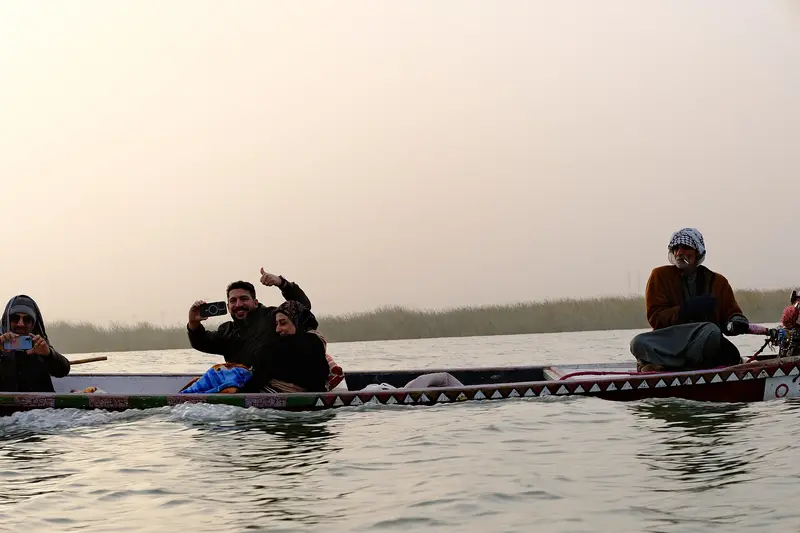
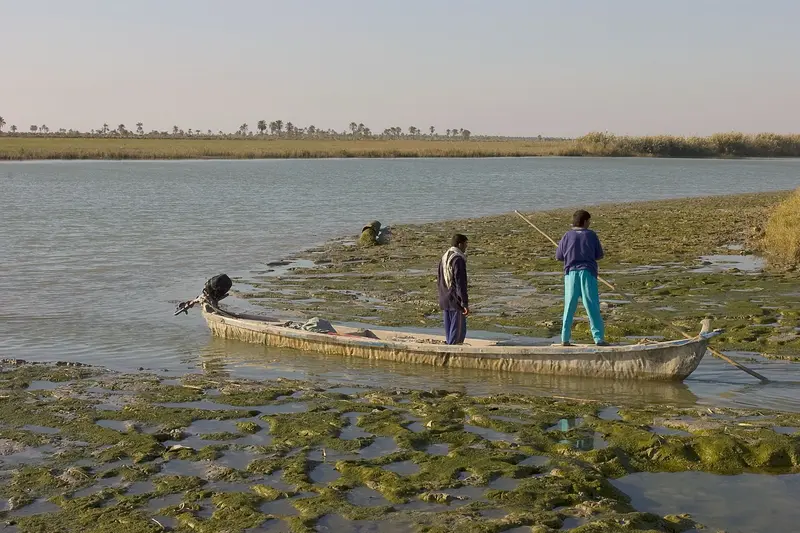
A half-day excursion (typically three to four hours on the water) usually covers one marsh zone—most often the edge of Al-Hammar, which is closest to Basra. You will see open water channels, reed beds, floating reed islands, and likely a stop at a Ma’dan household or small settlement. This format suits visitors with limited time or those testing the experience before committing to a longer trip.
Current half-day pricing is not confirmed in our verified data; check with the operator directly.
Full-Day Trips
A full-day trip (six to eight hours) allows access to deeper marsh areas, a longer boat journey, and typically a midday meal stop—either a simple lakeside lunch prepared by the crew or a meal hosted in a mudhif (traditional reed guesthouse). You have time to observe the marshes in two distinct light conditions: morning calm and afternoon haze. This is the format most experienced visitors recommend for a first proper introduction to the ecosystem.
Current full-day pricing is not confirmed in our verified data; check with the operator directly.
Overnight Stays
Staying overnight in the marshes is a different category of experience. A small number of mudhif guesthouses accept visitors; conditions are basic—expect reed-mat sleeping areas, simple food, and no air conditioning. See our dedicated guide on staying overnight in the marshes in a mudhif guesthouse for full details on what to expect and how to arrange it.
What Is Typically Included
Inclusions vary significantly between operators, so get a written or clearly stated breakdown before paying. Standard full-day packages commonly include:
- Round-trip transport from a Basra city hotel or meeting point to the boat launch
- Boat hire and fuel
- Guided commentary during the boat journey
- Entry fees where applicable (some protected-area permits are handled by the operator; confirm this explicitly)
- Drinking water on the boat
Less consistently included:
- Meals (often an add-on or arranged separately with the Ma’dan host)
- Snorkelling or fishing equipment
- Photography permits for commercial shoots
Always confirm what is and is not covered. The exchange rate as of 20 July 2026 is approximately 1,309 IQD to the US dollar, which is useful context if you are paying in local currency or negotiating add-ons at the site.
What to Pack and Seasonal Considerations
July Conditions (Current Week)
The Basra forecast for the current period shows daily highs of 46–48 °C, with overnight lows around 33–36 °C. On the open water, there is little shade and reflected heat from the surface intensifies exposure. In these conditions:
- Bring significantly more water than you think you need
- Wear loose, long-sleeved, light-coloured clothing and a wide-brimmed hat
- Apply high-SPF sunscreen before boarding; reapplication opportunities on a moving boat are limited
- Plan for the boat to be on the water in early morning and return before midday heat peaks—confirm this schedule with your operator
Cooler Months (November–March)
Monthly normal highs drop to 18–26 °C between November and March, making this period far more comfortable for extended time on the water. January and February bring occasional rain (averages of 32 mm and 22 mm respectively), which can affect water levels and visibility, but marsh character is often richer in the wetter months. This window is when most organised international tours operate.
Year-Round Packing List
- Sun protection (hat, sunscreen, UV-protective clothing)
- Insect repellent (mosquitoes are present near reed beds, especially at dusk)
- Closed sandals or shoes that can get wet
- Cash in Iraqi dinars (ATMs are not available in the marshes; see money in Basra for currency tips)
- A waterproof bag or dry bag for electronics
- Modest dress, particularly if visiting a Ma’dan community
Note that Maghrib prayer on 20 July 2026 falls at 18:51. If your full-day trip runs late, boat operators who observe prayer times will pause; factor this into your expected return time when planning onward logistics.
Booking in Advance vs. Walk-Up Availability
Book in Advance
For travel between November and March—the peak comfortable season—book your tour at least two to three weeks ahead. Boats, permits, and mudhif arrangements have limited capacity, and the better-run operators fill up. Booking in advance also gives you time to verify credentials, confirm inclusions in writing, and arrange any special requirements.
Walk-Up Realities
Outside peak season, walk-up arrangements are sometimes possible, particularly through hotel concierges or by asking at the Basra Tourism Directorate. Expect more limited choice of guide quality and trip format. If you arrive in Basra without a booking, getting around Basra and hiring a private driver are useful starting points for reaching the operators or departure points independently.
Arriving by air? The Basra airport arrival guide covers ground transfer options into the city, from which most marsh tours depart.
FAQ
Q: Do I need a permit to visit the Mesopotamian marshes? Certain zones within the UNESCO World Heritage site require visitor permits. A reputable operator will handle this on your behalf—confirm this is included before paying. See also our overview of the Mesopotamian marshes from Basra for context on the different marsh zones.
Q: Can I visit the marshes independently without a guide? Access to boat departure points requires transport from Basra, local knowledge of navigable channels, and in some cases coordination with Ma’dan community members. Independent visits are not impossible but require substantially more preparation. Most visitors find a guided tour more practical.
Q: What should I expect to pay for a marsh tour? Operator pricing is not confirmed in our current verified data. Costs vary by group size, trip duration, and inclusions. Check directly with operators for current rates. Paying in Iraqi dinars is generally the norm; the current exchange rate is approximately 1,309 IQD per USD.
Q: Is an overnight marsh stay worth it compared to a day trip? An overnight stay in a mudhif gives you sunset and sunrise on the water, which is a different experience from a day trip. It requires more preparation and tolerance for basic conditions. Read the full breakdown at staying overnight in the marshes before deciding.
Q: Where should I stay in Basra before or after the tour? Most marsh tours depart from or near the city centre. See where to stay in Basra for accommodation options across budget categories, and Basra riverfront hotels on the Corniche if you want to be close to the river departure points.