
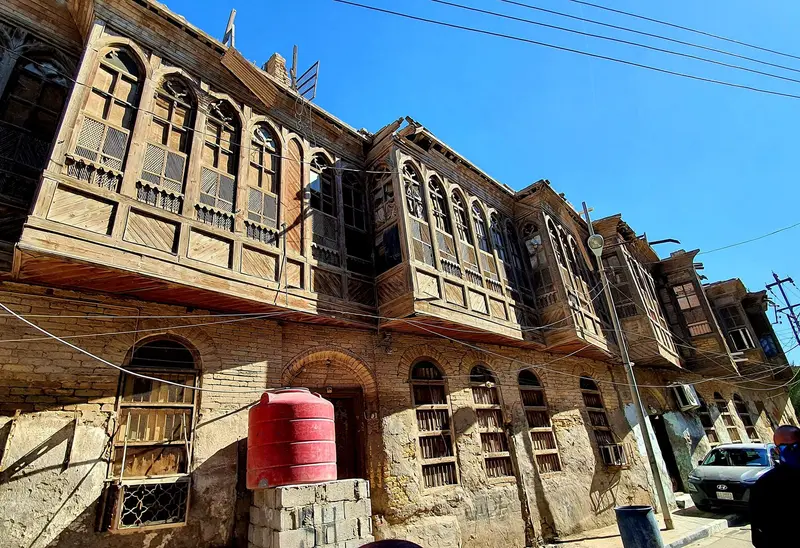
Best time to visit Basra: weather, seasons & what to wear
Basra sits at the top of the Gulf in a hyper-continental desert climate. The practical answer: October through April is the window most leisure visitors target, when daytime highs stay manageable and evenings on the Corniche are genuinely pleasant. Summer — roughly May through September — brings extreme heat that limits outdoor activity to early mornings and after dark. Understanding that split shapes every other trip decision.
Basra’s climate in plain terms
Basra has two dominant realities: scorching, dry-to-humid summer heat and a mild, occasionally rainy cool season. There is no single “shoulder” month that threads both extremes perfectly — the transition is fairly abrupt in both directions.
For live current conditions and the 7-day forecast, see the live weather data page. The figures below are long-term monthly normals sourced from Open-Meteo and give you the seasonal shape rather than a specific day’s reading.
Month-by-month feel
October – November: the sweet spot opens
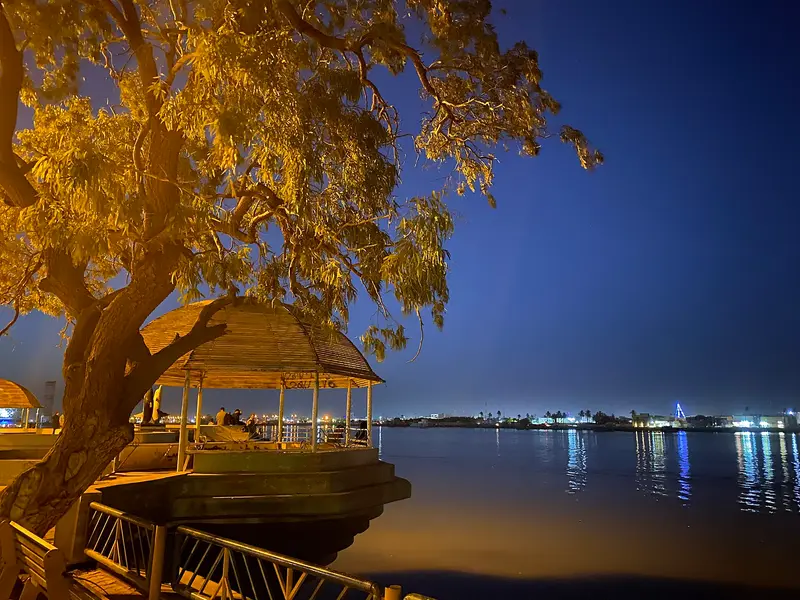
Monthly normal highs drop from 36 °C in October to 26 °C by November, with overnight lows around 13 °C by November’s end. Rain is light — a few millimetres most years — and the air clears noticeably after the long dust season. This is when the Corniche comes alive with families in the evenings and outdoor café culture returns in full.
(All normals: Open-Meteo)
December – February: cool and occasionally wet
Highs sit between 18 °C and 21 °C, lows can dip to 7–9 °C overnight. Rain is possible — January averages around 32 mm, the wettest month of the year. Dust is minimal. Days are short and bright; evenings by the Shatt al-Arab feel distinctly cool. A light jacket is not optional.
March – April: warming fast
March highs reach 26 °C; by April they’re already at 33 °C. Rain tapers sharply after March. This is arguably the most comfortable month for outdoor sightseeing — warm enough for river trips, not yet punishing. Late April can surprise visitors with the speed at which heat builds through the day.
May – June: the heat ramp
May highs average 39 °C; June pushes to 44 °C. Humidity varies: some days are dry desert heat, others — especially when southerly Gulf air arrives — feel thick. Outdoor activity becomes a logistics challenge, concentrated in the two hours after dawn and after sunset.
July – August: extreme heat
Long-term normals put July and August highs at 46 °C with overnight lows around 29–30 °C. Current live data (fetched 19 July 2026) shows highs between 46 °C and 50 °C across the coming week, with overnight lows in the mid-30s °C — well above the norm, illustrating how variable individual summers can be. Check the live data page before finalising any summer itinerary.
September: slow retreat
Highs ease from the mid-40s toward 42 °C by month’s end, but humidity can peak as Gulf moisture lingers. No rain. Still firmly in the “plan around the heat” category.
Humidity and the shamal wind
Two weather phenomena affect sightseeing beyond the thermometer reading:
Humidity spikes occur most unpredictably between June and September when moist air from the Gulf pushes inland. A 44 °C day with 60 % humidity feels categorically different from the same temperature with dry desert air.
The shamal — a north-westerly wind — can carry significant dust and sand, reducing visibility and coating everything in fine silt. Shamal events are most common in June and July but can occur outside that window. On shamal days, the Corniche and open riverside areas are unpleasant to sit in; marshland visits become pointless from a visual standpoint. Check local forecasts the evening before any outdoor excursion.
Best season for the marshes and river activities
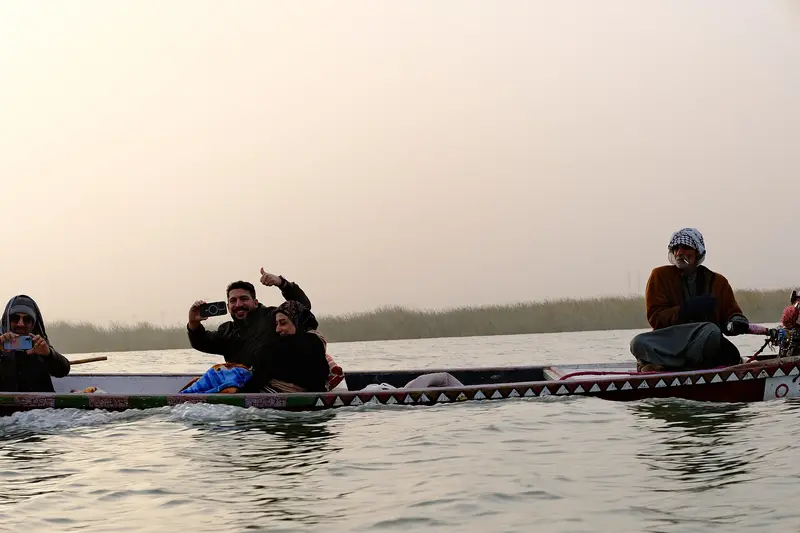
The Mesopotamian Marshes have their own seasonal logic. Water levels fluctuate with upstream hydrology, not just local rain. That said, the comfort window for marshland day trips aligns closely with the overall cool season: November through March combines tolerable temperatures with the chance of seeing migratory birds in greater numbers.
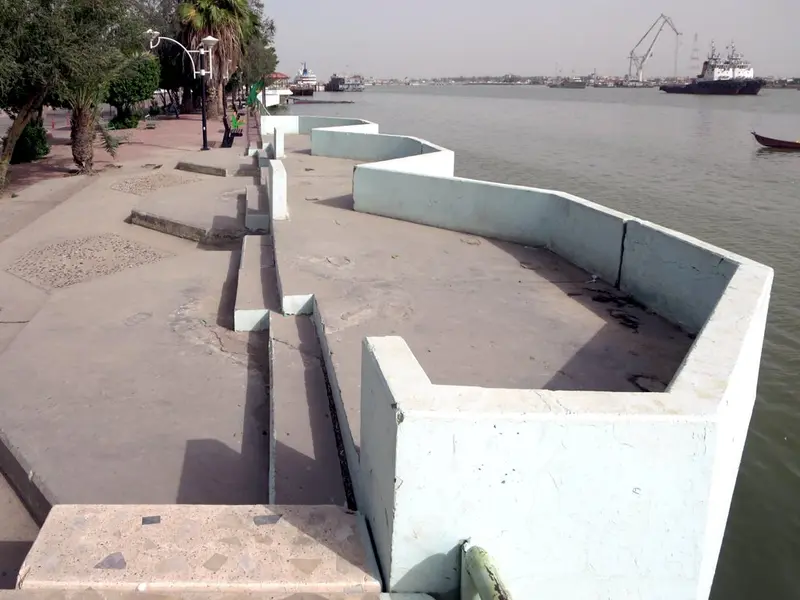
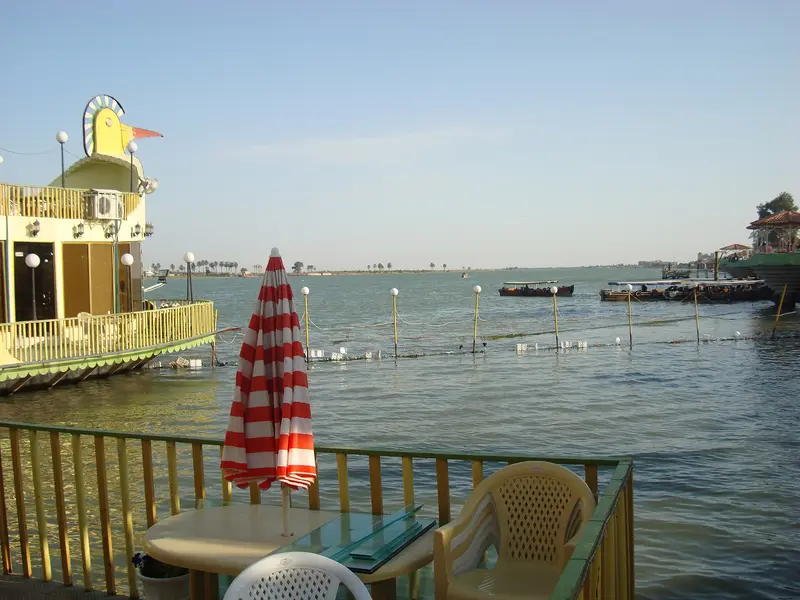
For the Shatt al-Arab river and the Corniche, October–April evening hours are reliably pleasant. River boat operators work year-round but summer trips are almost exclusively sunrise or post-sunset. For the full logistics of getting to the wetlands, see getting to Chibayish from Basra.
What to wear by season
Summer (May–September)
- Lightweight, loose, light-coloured long sleeves and trousers. Covering skin reduces sun exposure without adding heat if the fabric breathes. Linen and technical travel fabric work better than cotton in high humidity.
- Wide-brimmed hat or cap. Sun protection is non-negotiable at 46+ °C.
- Sunglasses with UV400 rating.
- A light layer for interiors. Air conditioning in hotels, malls, and offices is often set aggressively cold. Carry a thin cardigan or shirt you can pull on inside.
- Closed shoes or sandals with straps. Pavements and metal surfaces reach temperatures that damage flip-flop soles and burn exposed skin.
Cool season (October–April)
- Layering system. A T-shirt or light shirt, a mid-layer (fleece or light jumper), and a wind/rain shell covers the full range from a 33 °C April afternoon to a 7 °C January night.
- Comfortable walking shoes. The Corniche and older city streets reward pedestrians but the surfaces are uneven.
- A compact umbrella or packable rain jacket for December–February.
- Modest dress norms apply year-round. Shoulders and knees covered is the baseline expectation in public spaces outside hotel pools. Women visitors should carry a headscarf for visits to mosques or more conservative neighbourhoods; it is not required on the Corniche or in commercial districts.
Ramadan and public holidays
Ramadan shifts approximately 10–11 days earlier each solar year, so check the expected dates for your travel year well in advance. During Ramadan, restaurant and café hours change substantially — many venues open only after iftar (sunset). The rhythm of the city shifts markedly toward evenings and nights. For specifics on how this affects day-to-day logistics, see the first 24 hours in Basra guide, which covers arrival-day realities including how prayer times shape business hours. Today’s prayer schedule (19 July 2026, Muslim World League method) shows Maghrib — the sunset prayer that opens iftar — at 18:51, giving a concrete sense of how the evening break structures city life in summer.
Major Iraqi public holidays can close government offices, banks, and some attractions. Business travellers should confirm appointment availability against the Iraqi public holiday calendar before travelling.
Bottom line by traveller type
Leisure visitors: Target October to early April. November, February, and March offer the most reliable combination of comfortable temperatures, low dust, and full access to outdoor venues including the Corniche, marshland day trips, and river activities.
Business travellers: Business in Basra runs year-round. Meetings happen indoors in climate-controlled environments regardless of the season. Factor in travel fatigue during peak summer heat when moving between appointments — build in more time between engagements than you would elsewhere. Where to stay in Basra and the business district accommodation walkability guide can help minimise outdoor exposure on working days.
Budget-focused visitors: Mid-range and budget hotels do not typically vary rates by season in the same way beach destinations do — check current rates with operators directly. For currency and costs context, see money in Basra.
For everything you need on arrival day regardless of season, the Basra airport arrival guide covers the steps from landing to your accommodation.
FAQ
How hot does Basra really get in summer?
Monthly normal highs in July and August reach 46 °C according to Open-Meteo long-term data. Individual days exceed that — the live forecast for mid-July 2026 showed highs above 50 °C. Nights stay above 30 °C, so there is no cool relief after dark in the same way as a dry desert environment.
Is there a rainy season?
Rainfall is concentrated between November and March, with January being the wettest month at around 32 mm on average (Open-Meteo normals). It is not a monsoon-style season — expect intermittent showers rather than sustained rain. From April through October, rainfall is effectively zero.
When is the best time to visit the marshes?
November through March combines cooler temperatures with better birdlife. Avoid shamal-event days in any season. See the dedicated guide to the Mesopotamian Marshes from Basra for what to expect on the ground.
Does the heat affect getting around the city?
Yes, practically. Mid-day outdoor movement in summer is draining and limits what you can cover on foot. Check the getting around Basra guide for transport options that reduce sun exposure.
Where can I see live Basra weather before and during my trip?
The site’s live data page pulls from Open-Meteo and updates regularly. Use it to check the 7-day forecast and current conditions rather than relying on the seasonal normals above.