
Traveling During Ramadan in Basra: Fasting Times, Dining & Etiquette
Ramadan transforms daily life in Basra more completely than any other event on the calendar. Restaurants close during daylight hours, business schedules compress, and evenings come alive with iftar gatherings and late-night activity. If you plan your trip around these rhythms rather than against them, Ramadan is one of the most culturally vivid times to visit the city. This guide explains exactly what shifts, what stays open, and how to conduct yourself as a respectful guest.
When Ramadan Falls and How Long It Lasts
The Islamic calendar is lunar, so Ramadan moves roughly eleven days earlier each Gregorian year. The exact start date is confirmed by moon sighting and can shift by one day from official estimates. For the specific dates of the current or upcoming Ramadan, check with Iraq’s Supreme Religious Authority announcements or a reliable Islamic calendar service; do not rely on dates printed months in advance.
Ramadan lasts 29 or 30 days. The month ends with Eid al-Fitr, a three-day public holiday during which many businesses close entirely — plan any critical transactions or appointments before the final week of Ramadan.
Fasting Hours in Basra: Sunrise to Sunset
The fast runs from the pre-dawn meal (Suhoor) before Fajr prayer through to the break-of-fast meal (Iftar) at Maghrib prayer. Basra sits at approximately 30.5° N latitude, so fasting hours vary significantly by season.
As a reference point for August conditions, today’s prayer times in Basra (sourced from the Aladhan API, Muslim World League method) are:
| Prayer | Time |
|---|---|
| Fajr | 03:41 |
| Sunrise | 05:10 |
| Dhuhr | 11:55 |
| Asr | 15:33 |
| Maghrib (Iftar) | 18:39 |
| Isha | 20:03 |
When Ramadan falls in summer, fasting hours in Basra extend roughly from around 03:40 to 18:40 — nearly fifteen hours. August also brings extreme heat; the 7-day forecast shows highs between 48.9 °C and 50.2 °C and overnight lows of 30–37 °C. If Ramadan coincides with summer, the physical demands on those fasting are considerable — another reason patience and discretion from visitors matters greatly.
When Ramadan falls in winter months, fasting hours are shorter (roughly 12–13 hours) and temperatures are far more moderate, with January highs averaging around 18 °C.
For the precise fasting start and end times on any specific day during your visit, check the Aladhan API (aladhan.com) or a local mosque announcement.
Restaurants and Cafés: What to Expect During the Day
Closures During Fasting Hours
Most sit-down restaurants, casual eateries, and street food vendors in Basra close from Fajr (pre-dawn) through to around Maghrib (sunset). This applies broadly to the central commercial districts. Do not assume a restaurant you visited the previous evening will be open for lunch the next day.
What remains available for non-fasting visitors during the day:
- Hotel dining rooms in properties that cater to international guests often maintain limited daytime service in a screened or private area. Confirm this directly with your hotel before arrival — check with the operator.
- Hospitals and medical facilities typically maintain food services for patients and staff.
- Some supermarkets and convenience stores remain open and sell packaged food and drinks; consuming these in a private space (your hotel room) is the appropriate approach.
If you are unsure whether a specific restaurant is operating during the day, contact them directly or ask your hotel concierge.
Iftar: The Evening Opening
When the Maghrib call to prayer sounds, Basra’s food scene activates quickly. Restaurants open for Iftar service — some as early as 30–60 minutes before Maghrib to seat guests, others right at the call. For the exact Iftar service start time at a specific restaurant, check with the operator directly, as practices vary.
Expect:
- Iftar set menus and buffets at mid-range and upscale restaurants; these are often pre-booked and fill up fast, especially on weekends and in the final ten days of Ramadan.
- Traditional Iftar starters: dates, laban (yoghurt drink), lentil or tomato soup, and samosas precede the main meal.
- Longer waits immediately after Maghrib as the first wave of diners arrives. If you can, seat yourself 20–30 minutes before the call.
Late-Night Dining
One of the most enjoyable aspects of Ramadan in Basra is the extended evening food culture. Many restaurants, juice bars, sweet shops, and street vendors operate until 02:00 or later. Suhoor (the pre-dawn meal) drives a second wave of activity between midnight and 03:00. This is when the city is most animated — outdoor seating fills up, families are out, and grilled meats and flatbreads are sold at roadside stalls.
For specific restaurant hours and reservation availability, check with the operator or your hotel’s front desk.
Etiquette for Non-Muslim Visitors
Basra is a conservative city, and these guidelines apply year-round — but they carry greater weight during Ramadan.
Eating, Drinking, and Smoking in Public
- Do not eat, drink, or smoke in public spaces during fasting hours. This includes streets, markets, public transport, and open-air areas. Even drinking water visibly in front of people who are fasting is considered disrespectful.
- Consume food and beverages in your hotel room, a private space, or a venue that has a screened indoor area explicitly set up for non-fasting guests.
- This is not a legal technicality to navigate — it is a straightforward matter of courtesy.
Dress
Dress conservatively throughout Ramadan. For men: long trousers, covered shoulders in mosques and religious sites. For women: loose, opaque clothing that covers arms and legs; a headscarf is expected inside mosques and appreciated in public.
Noise and Behavior
Ramadan evenings are sociable and often lively, but during the day keep noise levels low near mosques, residential areas, and markets. Avoid playing music loudly from vehicles or accommodation.
Photography
Ask before photographing Iftar gatherings, prayer, or people eating. Most people are generous about it when asked politely; taking photos without asking during a religious observance is not.
Business Hours and Appointments During Ramadan
Government and Public Offices
Iraqi government offices typically reduce their working hours during Ramadan. Reduced hours are common, with many offices operating a morning-only schedule. For the specific adjusted hours of a government office or agency you need to visit, confirm directly with that office — hours are set each year and can differ by department.
Plan administrative tasks (visa extensions, permits, formal registrations) for the first two weeks of Ramadan rather than the final ten days (Laylat al-Qadr period) or the days immediately before Eid, when offices may be operating at minimal capacity.
Private Businesses and Banks
Banks and larger private businesses in Basra generally remain open during Ramadan but may shift to earlier or shorter hours. Transaction processing times can lengthen. If you need to exchange currency — the current rate is approximately 1,311.77 IQD per 1 USD — allow extra time and confirm the exchange office’s Ramadan hours in advance. See Money in Basra for more on currency and exchange options.
Scheduling Meetings
- Avoid scheduling professional meetings in the hour before Iftar; concentration and energy are typically low.
- The period immediately after Iftar (roughly 19:30–21:00) is social time with family — do not expect business contacts to be available then unless they have explicitly offered.
- Late morning (09:30–11:30) is generally the most productive window for business meetings during Ramadan.
Practical Logistics During Ramadan
- Getting around: Taxis and rideshare drivers who are fasting may be less inclined to take long trips in the final hours before Iftar. Try to complete travel before mid-afternoon or wait until after Iftar. See Getting Around Basra for transport options.
- Hotel booking: Hotels that serve international visitors are the most reliable option for daytime food access. Review Where to Stay in Basra and check What to Look for Before Booking a Basra Hotel — ask specifically about daytime dining facilities.
- Arrival planning: If you are arriving during Ramadan, read the First 24 Hours in Basra guide and adjust the eating and timing sections to Ramadan hours.
- Airport: If your flight arrives close to Iftar, the Basra Airport Arrival Guide has logistics information; airport food services may have limited daytime availability.
- SIM card and connectivity: Staying connected helps you look up prayer times and restaurant hours on the go — see Local SIM Card and Data Plans in Basra.
FAQ
Can I eat in my hotel room during the day in Ramadan?
Yes. Consuming food and beverages in your private hotel room is entirely appropriate. Many hotels that receive international guests stock minibar items or provide room service during the day. Confirm this when booking.
Will tourist sites like the Basra Museum be open during Ramadan?
Cultural institutions such as the Basra Museum may adjust their hours during Ramadan. Check directly with the venue before visiting — do not assume standard hours apply.
Is it difficult to get a taxi or arrange transport during Ramadan?
Transport generally continues to operate, but availability can thin out in the final hour before Maghrib as drivers return home for Iftar. Plan arrivals and departures outside that window where possible. See Getting Around Basra for more detail.
What happens to the Mesopotamian Marshes excursions during Ramadan?
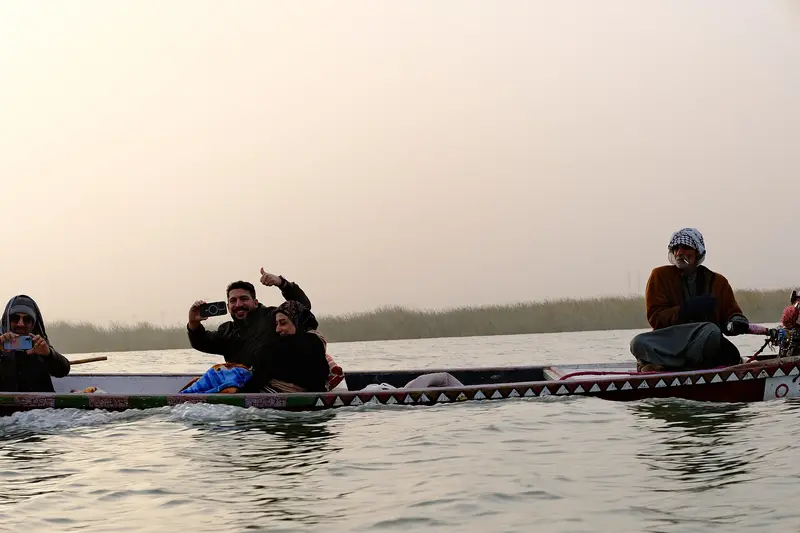
Day trips to the Mesopotamian Marshes are still possible, but tour operators and boat guides who are fasting will have different energy and scheduling needs. Confirm departure times and whether packed lunches or water are expected to be kept out of sight on the boat. Check with the operator for current schedules.
Does the Shalamcheh border crossing operate differently during Ramadan?
Border processing can slow during Ramadan, particularly in the hours before Iftar when staffing levels may be reduced. If you are using the Basra–Iran border at Shalamcheh, allow additional time and verify current crossing hours directly with the border authority or your transport provider.