

Business District Hotels & Walkability: Which Neighbourhoods Work Best?
For business travellers, hotel location in Basra is not just about comfort—it directly affects how much time and money you spend commuting between meetings. The city’s main commercial activity clusters around three distinct zones: Al-Ashar (the historic trading district), the Basra Port and Shatt al-Arab waterfront corridor, and the government/civic district further inland. Getting your accommodation right from the start saves you hours across a working week.
The Three Business Zones You Need to Know
Al-Ashar: The Commercial Heart
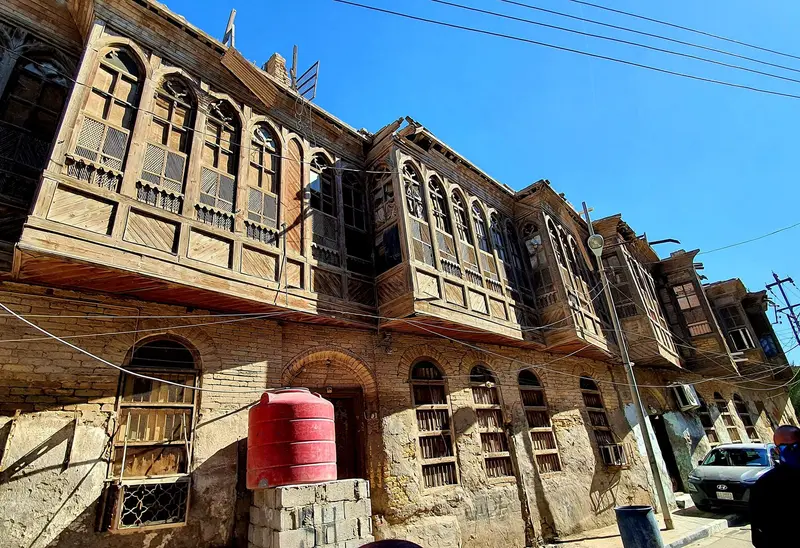
Al-Ashar is Basra’s oldest and most active commercial district. It sits on the western bank of the Shatt al-Arab and houses trading companies, banking branches, legal offices, import/export firms, and retail headquarters. The main artery—Ashar Street—runs roughly parallel to the waterfront and connects to the corniche. If your meetings are with private-sector firms, commodity traders, or financial institutions, Al-Ashar is almost certainly where you need to be.
Hotels directly in or adjacent to Al-Ashar put you closest to this activity. Mid-range properties in this neighbourhood exist, though verified names and current availability should be confirmed directly with booking platforms or operators, as specific listings change frequently.
Basra Port Area and Shatt al-Arab Corridor
The port zone, extending south from the city centre toward Umm Qasr, handles the bulk of Iraq’s oil and goods trade. If your business connects to logistics, shipping, energy infrastructure, or port operations, your meetings are likely to be spread across a long corridor rather than a compact walking area. Hotels in the central city serve this zone better as a base for car-based travel than as walking-distance accommodation—the port facilities themselves are not in a pedestrian-friendly setting.
Government and Civic District
Provincial government offices, courts, and public-sector institutions are concentrated in a zone that sits broadly between Al-Ashar and the newer residential expanses to the west. Business that involves government liaison, tendering, or public contracts often requires visits here. This area is less served by hotels than Al-Ashar, meaning most visitors commute to it rather than stay within walking distance.
Walkability by Neighbourhood: What to Expect
Walkability in Basra is shaped by heat, infrastructure, and the practical realities of urban layout—not by a simple radius formula. Verified walkable-radius data for Basra is not available from official sources, so the following is based on the general character of each area.
Al-Ashar offers the most pedestrian-useful environment for business purposes. The main commercial streets have continuous pavements, ground-floor shops, and shade from building awnings. Errands like currency exchange, printing, SIM cards, and lunch are all achievable on foot within a compact area during business hours. Morning and late-afternoon street activity is dense; the quietest window is the midday break.
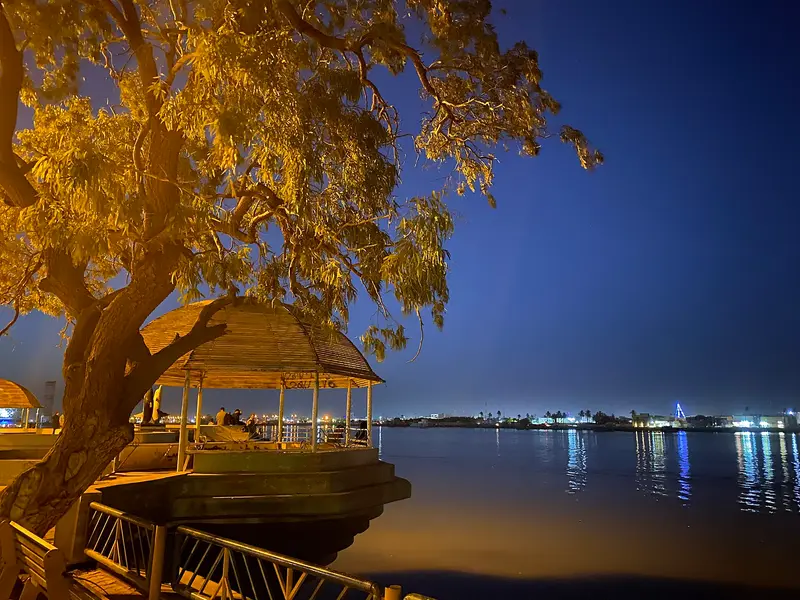
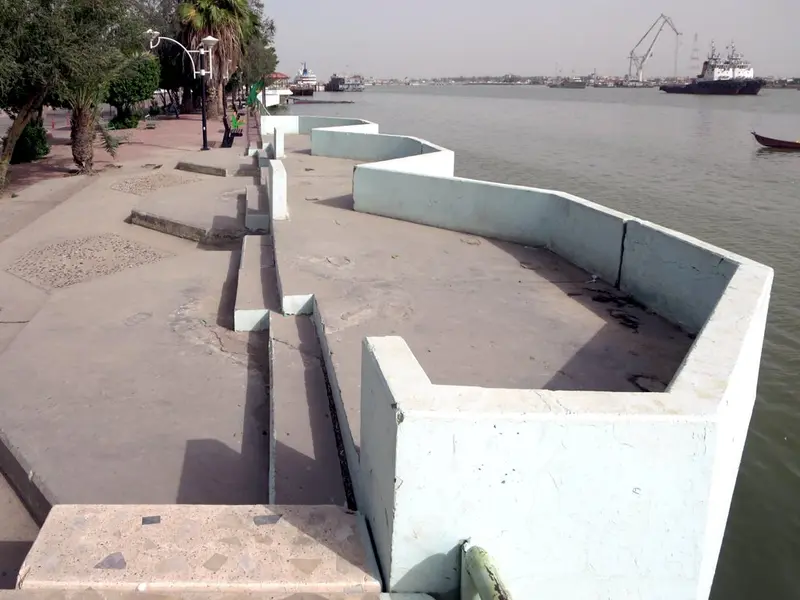
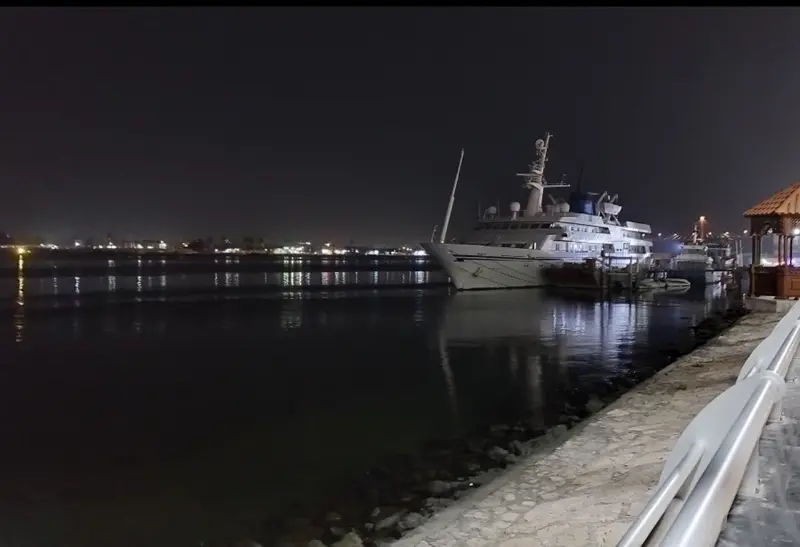
Along the Corniche (Shatt al-Arab waterfront), foot movement is practical for leisure in the evening hours when temperatures drop. This strip is also where a number of the city’s better hotels sit. Walking from a corniche hotel to Al-Ashar business addresses is feasible in cooler months but demanding in summer.
Heat is the dominant variable. Weather data for the week of 17–23 July 2026 shows daytime highs of 46–51°C with overnight lows of 32–37°C (source: Open-Meteo). July is consistently one of the hottest months, with historical averages reaching 46°C. Even short outdoor walks during afternoon hours carry real physical cost. Plan site visits and outdoor movement for before 9:00 or after 17:00 wherever possible.
Prayer-time rhythm matters for scheduling. Today’s prayer times (Aladhan API, 17 July 2026): Fajr 03:24 · Dhuhr 11:55 · Asr 15:33 · Maghrib 18:52 · Isha 20:20. Many offices and shops close or slow activity around Dhuhr and again at Maghrib. Factor this into your walking and meeting schedule—a 12:00 walk through commercial streets may find many doors shut.
Private Driver: Necessity or Option?
This depends almost entirely on where your hotel sits relative to your meetings.
If you are staying in Al-Ashar itself and your meetings are also there, you can manage most of your working day on foot or with very short rides. A private driver becomes optional for this scenario—useful for port visits or outer-district meetings, but not a daily requirement.
If you are staying in a corniche or waterfront hotel, the walk to Al-Ashar business addresses is achievable in cool weather but impractical in summer heat. A short taxi or ride (check current fares with operators directly, as no verified rate data is available for the specific Al-Ashar taxi corridor) covers the gap efficiently.
If your business is primarily port-related, a private driver is effectively essential regardless of where you stay. The port corridor is not pedestrian territory, and the distances between facilities are significant.
For detailed guidance on arranging drivers, see our guide to hiring a private driver in Basra, and for general transport options, getting around Basra covers the full picture.
5-Star and 4-Star Options: Where They Sit
Basra’s higher-end hotel supply is concentrated on or near the Shatt al-Arab corniche and in newer development zones. These properties offer the amenities business travellers expect—reliable Wi-Fi, meeting rooms, car services, and international food options—but they are generally not in the middle of Al-Ashar’s commercial density. You gain comfort and reliability; you trade some walking convenience to the trading district.
Specific hotel names, prices, and current availability should be confirmed via booking platforms or directly with properties. No verified current listing data was available for this article. For a broader overview of accommodation tiers and how to book, see where to stay in Basra and how to book a hotel in Basra.
On currency: the current exchange rate is 1 USD = 1,309.36 IQD (ExchangeRate-API, 17 July 2026). Hotels at the upper end of the market often quote rates in USD; mid-range and budget properties typically price in IQD. See money in Basra and Basra ATM and exchange rates for practical payment guidance.
Weekend Access: Dining and Downtime
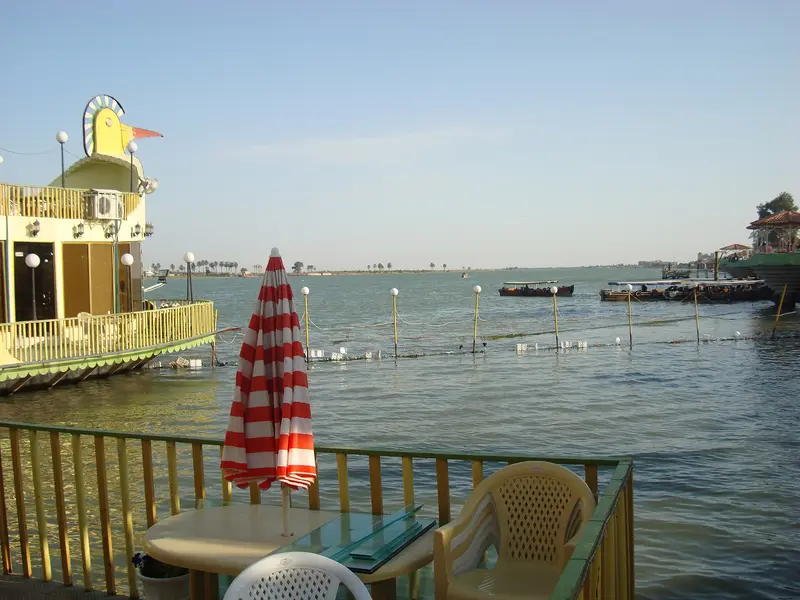
Thursday evening and Friday are the weekend in Iraq. Business districts quiet down considerably, which actually makes them pleasant for a casual walk. The Al-Ashar corniche and waterfront areas have restaurants, juice bars, and riverside seating that are active Friday mornings and evenings.
If you have a free day, the Mesopotamian Marshes are reachable as a day trip—see Mesopotamian Marshes from Basra for logistics. For arrival orientation and your first day, first 24 hours in Basra and the Basra airport arrival guide cover the practical foundation.
FAQ
Which neighbourhood puts me closest to the most business meetings?
Al-Ashar handles the highest concentration of private-sector offices, banks, and trading firms. A hotel in or immediately adjacent to Al-Ashar minimises commute time for most commercial business. Government meetings may require a short drive from any neighbourhood.
Can I walk between my hotel and meetings in summer?
In July and August, with temperatures regularly above 46°C, outdoor walking during midday is physically demanding regardless of distance. Short walks (under 10 minutes) are manageable early morning or after sunset. For anything longer, use a taxi or arranged vehicle.
Do I need to pre-arrange a driver before arriving?
If your itinerary includes port visits, outer-district government offices, or multiple spread-out meetings in one day, pre-arranging a driver saves significant stress. If you are meeting in a compact area like Al-Ashar, it is optional. See hiring a private driver in Basra for how to arrange this.
Are hotel meeting rooms available at mid-range properties?
Higher-end properties on the corniche typically have business centres and meeting rooms. Mid-range properties vary—check directly with the operator before booking if this is a requirement.
What is the best time of year for business travel to minimise heat impact on logistics?
November through March offers the most temperate conditions, with historical highs of 18–26°C in January–March. April and October are transitional. Summer months (June–September) bring the most demanding conditions for outdoor movement.