
Local etiquette in Basra: dress, Fridays, photographs & manners
Basra is a conservative, majority-Muslim southern Iraqi city with its own social rhythms. Knowing a few practical customs — how to dress for the heat and the context, when things slow on Fridays, how to handle a camera respectfully, and how to accept tea gracefully — will make your interactions smoother and more rewarding. This guide keeps the focus on practical behavior, not cultural judgment.
Dress: practical and context-aware
The heat factor
July highs in Basra are currently forecast at around 50 °C, with overnight lows still above 34 °C. Lightweight, loose, breathable fabric is not just polite — it is a physical necessity. The good news is that the same clothing that keeps you cool in this heat also reads as respectful: full-length, loose-fitting garments in natural fabrics let air circulate while covering skin that would draw unwanted attention.
Men
Lightweight long trousers and a loose collared or plain shirt are the everyday standard. Shorts are not typical outside private compounds or hotel pools. Short sleeves are generally fine in markets and streets. Avoid sleeveless tops in mosques, government buildings, and traditional neighborhoods.
Women
A loose, long-sleeved top or tunic over full-length trousers is a solid baseline for public spaces. A headscarf is required when entering mosques and is a considerate choice in more traditional neighborhoods and markets. It is not obligatory on hotel grounds or in private settings, but carrying one in your bag lets you adapt quickly. Avoid tight-fitting or sheer clothing in public. Dark or muted colors attract less attention in conservative areas; this is a practical observation, not a rule.
Mosques and shrines
Both men and women should remove shoes at the entrance (a rack or attendant will be present). Women must cover their hair. Some sites provide abayas at the door for visitors who arrive without appropriate cover — check with the specific venue before your visit.
Fridays and the rhythm of the week
Friday is the Islamic day of rest and is the equivalent of Sunday in a Western week. Here is what the general pattern looks like — confirm specific opening hours directly with each venue, as hours vary and are not published centrally.
- Government offices, banks, and many official services are typically closed on Fridays and, in many cases, Saturdays as well.
- Markets and souqs often open in the morning, slow considerably around midday Friday prayers (roughly when the Dhuhr prayer falls — on 13 July 2026, Dhuhr is at 11:55 local time), then re-open in the late afternoon.
- Restaurants and tea houses generally stay open, though some may close for a period around Friday prayer.
- Shopping malls and larger retail chains may actually be busier on Friday afternoons and evenings as local families go out.
- Museums and visitor attractions vary widely — check directly with each site before going.
The quietest window each day is around prayer times broadly: Fajr (03:20), Dhuhr (11:55), Asr (15:32), Maghrib (18:53), and Isha (20:22). Small shops often pull down their shutters for 15–30 minutes around each call.
Build buffer time into any Friday plans and treat an unexpectedly closed door as an opportunity to explore nearby streets rather than a wasted trip.
Photography: ask first, read the signs
People and private spaces
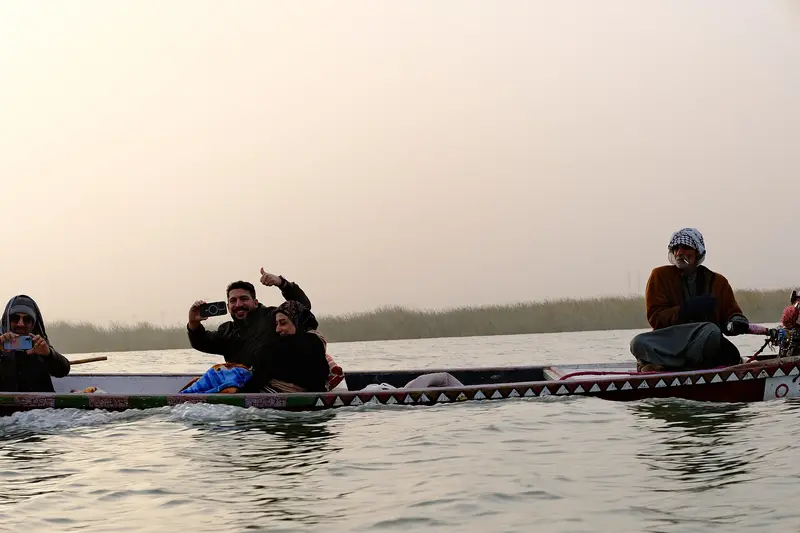
The single most important rule is simple: ask before you photograph a person. This applies especially in tea houses, markets, and residential neighborhoods. Many people are happy to be photographed once you ask — and a smile and a gesture toward your camera is often understood even without shared language. Photographing women without permission is particularly intrusive and should never happen.
If someone declines or moves away from your lens, accept that immediately and move on.
Sensitive locations
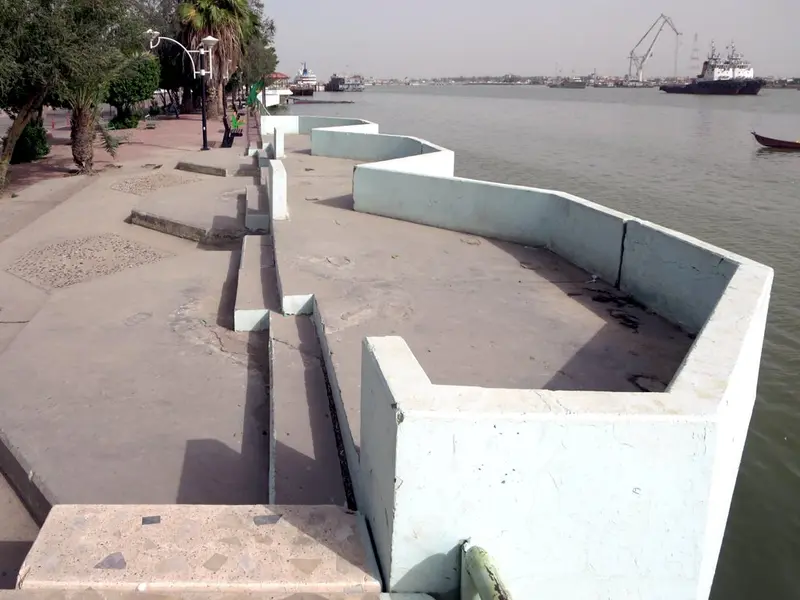
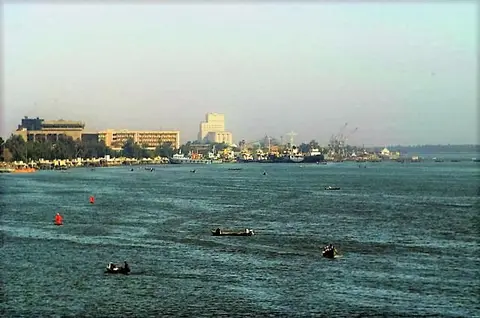
Exercise real caution near ports, river crossings, bridges, military checkpoints, official buildings, and infrastructure. Signage is sometimes posted but not always. If you are in any doubt, check with a local official or your driver before raising a camera. Do not assume that the absence of a sign means photography is permitted. When uncertain, put the camera away.
Markets and public life
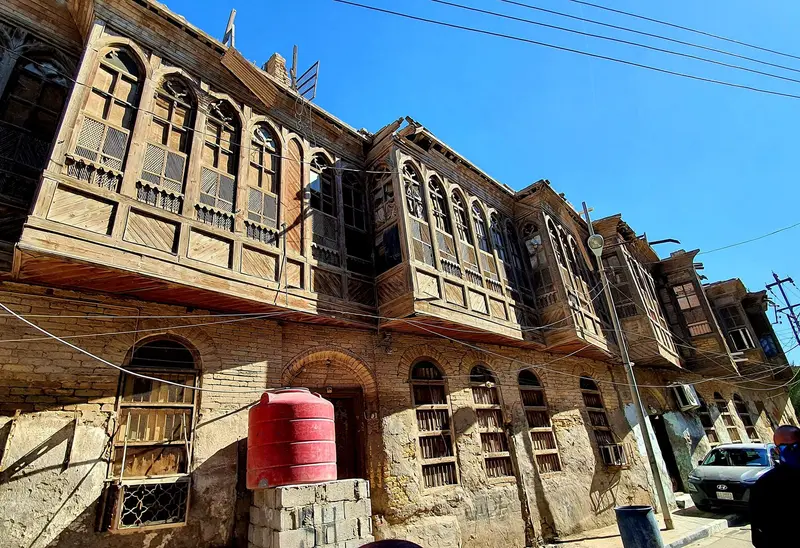
Street scenes, date palm groves, architectural details, and the river are generally fine subjects. Photographing inside a mosque or shrine may require specific permission — ask at the entrance.
Greetings, hospitality, and tea culture
Greetings
“As-salamu alaykum” (peace be upon you) is the standard greeting and is always appropriate. The response is “Wa alaykum as-salam.” A brief handshake between men of similar familiarity is common. Cross-gender handshakes are not the norm; follow the other person’s lead rather than extending your hand first.
Accepting tea
If you are offered tea — a small glass of strong, sweet black chai — accept it. Declining a first offer can read as polite hesitation rather than refusal, so you may be offered again. Refusing repeatedly is fine if you genuinely do not want it, but accepting is the easier social path and the tea is often very good. Hold the glass with your right hand.
The right hand
Use your right hand for eating, passing objects, and greeting. Using the left hand is considered impolite in most social contexts.
Personal space and time
Conversations often involve closer physical proximity than visitors from some Western countries expect. Interrupting to add enthusiasm to a conversation is normal and not considered rude. Punctuality expectations are relaxed — social visits may start later than planned, and meals may extend well beyond the scheduled time.
Shoes
Always remove shoes before entering a private home. Watch what your host does and follow their lead. If you are visiting a place of worship, removal is mandatory.
Ramadan-aware behavior
During Ramadan, eating, drinking, and smoking in public during daylight fasting hours is impolite and in some contexts restricted. Many restaurants will be closed during the day and open after iftar (the meal that breaks the fast at sunset). Loud music and visible consumption of food near fasting people should be avoided.
For full practical detail on visiting Basra during Ramadan — including how to find food and what to expect from altered schedules — see the dedicated guide on Ramadan practicalities.
Women travelers: practical notes
Dressing as described above (loose, covering, with a headscarf available) removes most friction in public spaces. Confidence and purposeful movement go a long way. Having a contact number for your hotel or accommodation to call if you need guidance is useful — see where to stay in Basra for accommodation options. For getting around, a pre-arranged driver or vetted transport option reduces uncertainty; see hiring a private driver in Basra for how that works.
Do/Don’t quick list (screenshot this)
| ✅ Do | ❌ Don’t |
|---|---|
| Wear loose, full-length clothing in public | Wear shorts or sleeveless tops in markets or mosques |
| Carry a headscarf (women) | Enter a mosque without covering hair |
| Accept offered tea with your right hand | Refuse hospitality abruptly |
| Greet with “As-salamu alaykum” | Extend a hand for a cross-gender handshake first |
| Ask before photographing any person | Photograph near ports, bridges, or checkpoints without checking |
| Remove shoes at mosque entrances and private homes | Keep shoes on when you see others removing theirs |
| Confirm Friday/Saturday hours directly with each venue | Assume a venue is open without checking |
| Avoid eating or drinking in public during Ramadan daytime | Eat openly near fasting people during Ramadan |
| Use your right hand for eating and passing things | Use your left hand to pass food or objects |
FAQ
Do I have to wear a headscarf everywhere in Basra?
No. A headscarf is required inside mosques and shrines and is a considerate choice in traditional neighborhoods and markets. It is not required at hotels, malls, or private settings. Carrying one with you lets you adapt to each context without having to plan rigidly.
Are there specific rules about what I can photograph?
There are no rules we can summarize cleanly, because they depend on location and context. The practical approach: always ask permission before photographing people; avoid raising a camera near ports, bridges, military infrastructure, or government buildings; and check signage or ask a local official when in doubt.
What happens if I accidentally break a custom?
Most people will give visitors the benefit of the doubt. A simple apology — “Aasif” (sorry) — goes a long way. The customs described here are about consideration, not strict legal codes (photography restrictions aside), and genuine respect is usually recognized even through cultural missteps.
How do I handle money exchanges and tipping in the context of local customs?
Tipping for good service is appreciated but not rigidly expected. The current exchange rate is 1 USD to approximately 1,309 IQD. For a full breakdown of how money works in Basra, see money in Basra and Basra ATM and exchange rates.
Is it easy to get around Basra while following these customs?
Having a local driver or arranged transport can make navigating unfamiliar neighborhoods easier. See getting around Basra and Basra local transport: taxis and apps for practical options.